“Let both of them grow together until the harvest.” Jesus, in Matthew 13:24-30, 36-43.
‘We ourselves are God’s own field… Wheat and tares together sown.’ From the hymn ’Come, ye thankful people, come.’
In today’s gospel reading, Jesus speaks of wheat and tares – bearded darnel that looks just like wheat when it first appears but is actually a weed that carries a poisonous fungus. If it’s harvested and ground in with the wheat, the flour would then be tainted and unusable but, if pulled up too early, it could result in wastage of some of the crop as the plants entwine and it’s hard to distinguish from real wheat until it matures. So, Jesus’ parable suggests that both will be left to grow together until the harvest, when each can more easily be recognised and separated so that the tares will be gathered first and then burned.
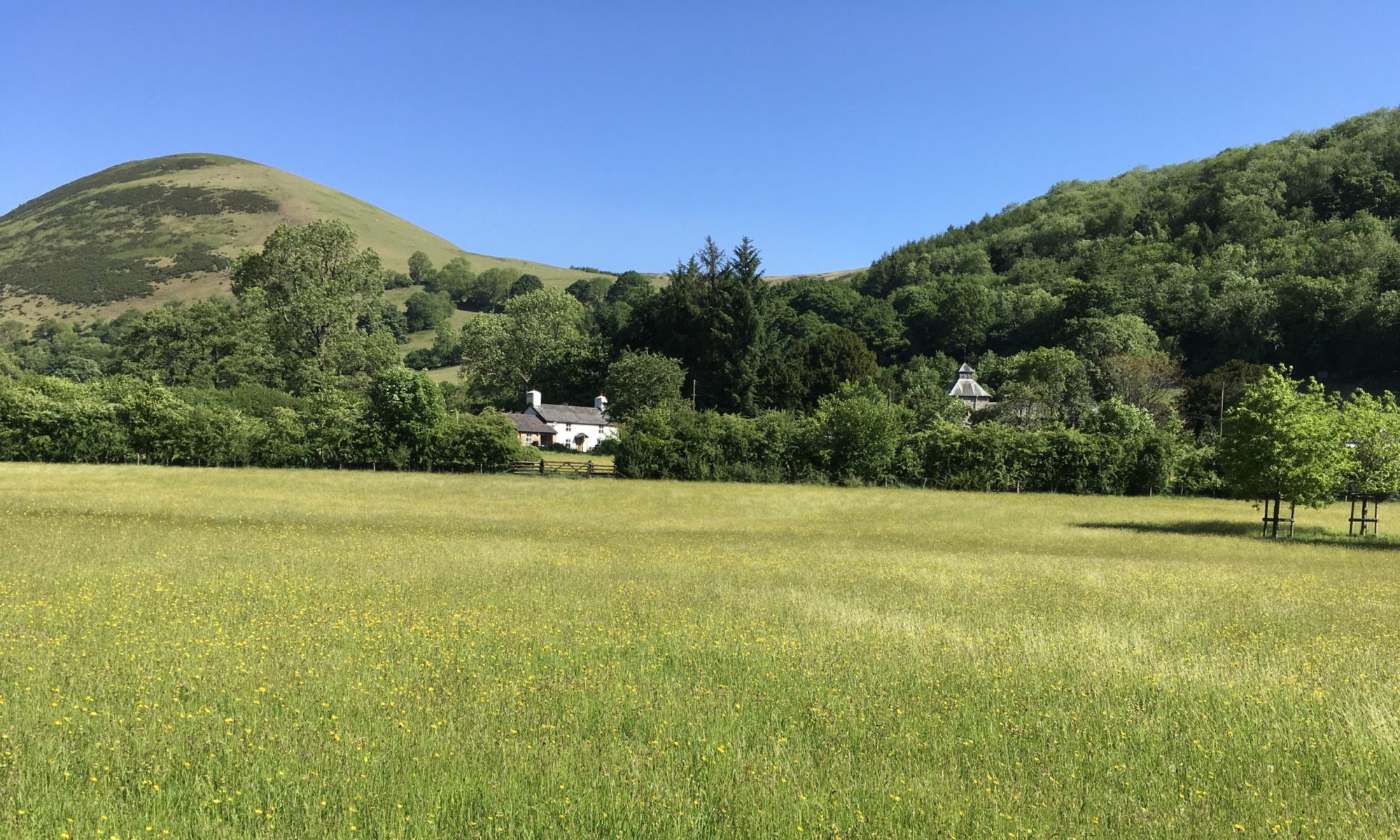
Here, the harvest is happening during the heatwave – the fields nearby were done last week with red kites then circling for the pickings left by the tractor. In the garden, a lot of ground elder has been growing and I have always seen it as a prolific weed to be dug out with as much of the root removed as possible because it spreads so easily. It’s only recently that I’ve learned that it’s actually edible with a taste similar to spinach if the young leaves are used although the mature leaves are unpleasant to eat. The Romans brought it to Britain in around AD 150 as a culinary herb and it also has medicinal uses: the flowers can be used as a mild laxative, with the leaves reducing inflammation and helping to overcome arthritis, rheumatism and gout, so it also became known as goutweed. It’s also called Bishop’s Weed because its white flowers resemble the collars historically worn by bishops – though no longer! However, ground elder is part of the carrot family which includes Poison Hemlock and Giant Hogweed, so it needs to be identified and used with great care – as did bearded darnel which has a much slighter head than wheat when it’s mature.
The wheat and tares have to grow together before they can easily be identified, as pulling up the weeds may also uproot the crop and sometimes a weed can have its uses, as with the ground elder. In the parable Jesus is telling, it’s the workers who realise what’s happening and alert the farmer although they didn’t notice when the crop was being polluted at night by an enemy who bothered to go to the effort of sowing weed seeds to ruin the crop later. The parable seems to intrigue his disciples – this story is told, amongst others, to the crowds following Jesus and the disciples later ask Jesus for an explanation whereas the crowds don’t. Jesus suggests that the field is the world and that the sower is the Son of Man with the good seed being the children of the Kingdom – but the weeds are sown amongst that good seed. It is the children of the Kingdom who are struggling with wrong doing amongst them – members of Christ’s own body are not perfect but are contending with what it means to grow the kingdom of God in a world where good and evil are so intermingled. That applies to the church, today, too – but there is hope when Jesus tells the disciples then and his followers today that this is how it will be – there is still time before the harvest will happen. Then, there was much to choke the yield in the face of Roman occupation and the attitudes of the time yet, today, as we consider what threatens to uproot our faith or choke good intentions, the Kingdom is still being grown. Are we enabling its development and accepting that the wheat and tares must grow together until the harvest is ready or are we being overwhelmed by the tares and cares of our own age and situations? There is still time for a good yield to grow – but for how long?
With my prayers; pob bendith,
Christine.